
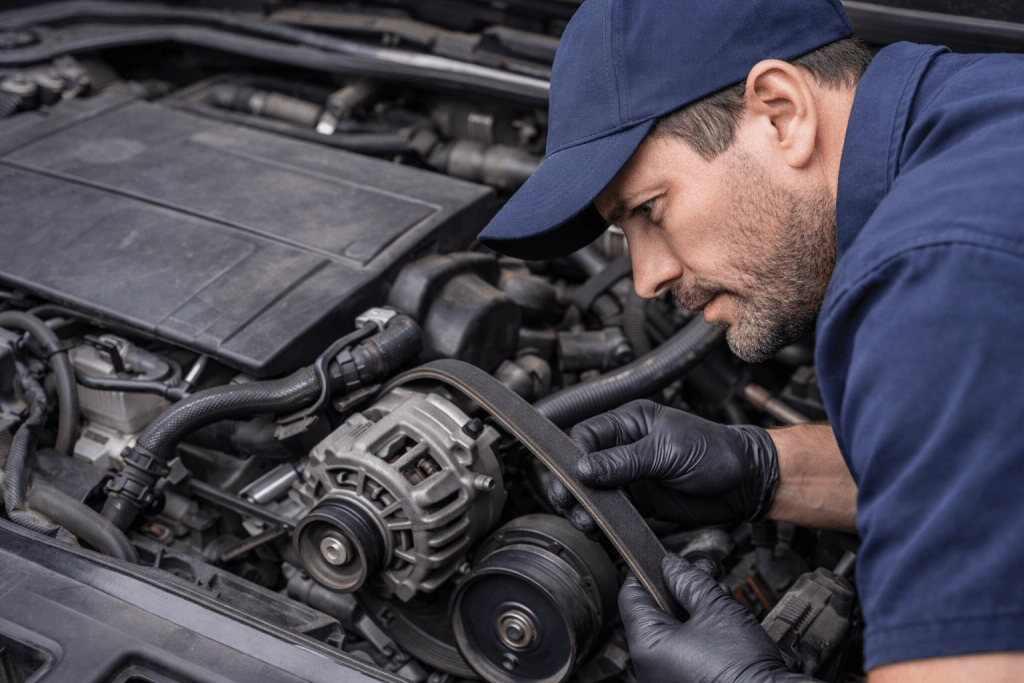
Driving in Los Angeles without a properly working air conditioning system can quickly become uncomfortable, especially during warm summer days or heavy traffic. If your car AC is not cooling, it usually means something in the air conditioning system is not functioning correctly. The issue could be as simple as low refrigerant or as complex as a failing compressor.
Understanding why your car AC is not cooling can help you identify early warning signs and prevent more expensive repairs. Many vehicle owners notice reduced cooling performance long before the system completely stops working.
Common Signs Your Car AC Is Not Working Properly
Before the air conditioning system stops cooling entirely, drivers often notice several warning signs.
Common symptoms include:
• Warm air blowing from the vents
• Weak airflow inside the cabin
• Unusual noises when the AC is turned on
• AC working intermittently
• Strange odors coming from the vents
If you notice any of these issues, it may indicate that your vehicle’s air conditioning system needs inspection or repair.
Common Reasons Your Car AC Is Not Cooling
Low Refrigerant Levels
One of the most common reasons a car AC stops cooling is low refrigerant, often caused by a leak somewhere in the system.
Refrigerant is responsible for absorbing heat from the cabin air and releasing it outside the vehicle. When the refrigerant level drops, the system cannot cool the air effectively.
Signs of low refrigerant may include:
• Air that feels slightly cool but not cold
• AC system cycling on and off frequently
• Hissing sounds coming from AC components
A professional inspection can locate leaks and restore proper refrigerant levels.
Faulty AC Compressor
The AC compressor is the heart of the air conditioning system. It compresses the refrigerant and circulates it throughout the AC components.
If the compressor fails or begins to wear out, the system may stop producing cold air.
Common symptoms of compressor problems include:
• Loud clicking or grinding noises
• AC clutch not engaging
• Warm air blowing from vents
Compressor issues often require professional repair or replacement.
Clogged Cabin Air Filter
A dirty cabin air filter can restrict airflow through the ventilation system. While it may not completely stop cooling, it can significantly reduce the effectiveness of the air conditioning system.
When the filter becomes clogged with dust and debris, you may notice:
• Weak airflow from the vents
• Increased dust inside the vehicle
• Reduced cooling efficiency
Replacing the cabin air filter is one of the simplest ways to restore proper airflow.
Condenser Problems
The AC condenser helps release heat from the refrigerant as it passes through the system. If the condenser becomes blocked or damaged, the AC system cannot remove heat effectively.
Possible causes include:
• Road debris blocking the condenser
• Bent condenser fins
• Damage from minor collisions
A damaged condenser can prevent the system from producing cold air even if other components are functioning correctly.
Electrical Issues
Modern vehicles rely heavily on electronic controls to manage air conditioning systems. Problems with wiring, relays, sensors, or control modules can prevent the AC from functioning properly.
Electrical issues may cause:
• AC system not turning on
• Inconsistent cooling performance
• Intermittent operation
Diagnosing electrical problems typically requires professional diagnostic tools.
Why Ignoring AC Problems Can Lead to Bigger Repairs
Many drivers continue using their vehicles even when the AC is not cooling properly. While this may seem like a minor inconvenience, ignoring AC issues can cause additional damage to the system.
Potential consequences include:
• Compressor failure
• Refrigerant leaks spreading through the system
• Increased repair costs
• Reduced driving comfort during hot weather
Addressing AC issues early can prevent larger and more expensive repairs later.
How Mobile Mechanics Diagnose Car AC Problems
A mobile mechanic can perform professional diagnostics to determine why your vehicle’s AC system is not cooling. Instead of taking your car to a repair shop, a technician can inspect the vehicle at your home, office, or parking location.
A typical AC inspection may include:
• Checking refrigerant levels
• Inspecting the compressor and AC clutch
• Examining the condenser and cooling fans
• Testing electrical components and sensors
• Evaluating airflow through the ventilation system
This diagnostic process helps identify the root cause of the cooling problem.
Need AC Repair for Your Vehicle in Los Angeles?
If your vehicle’s air conditioning system is not cooling properly, professional diagnostics can help identify the issue quickly.
Mobile mechanic services in Los Angeles provide convenient on-site inspections and repairs, helping drivers restore comfortable cabin temperatures without visiting a repair shop.
Whether the problem involves refrigerant levels, AC components, or electrical systems, professional service can help keep your vehicle cool and reliable on the road.